Technology
Ultherapy PRIME
Microfocused ultrasound with visualization
Combines real-time tissue visualization with microfocused ultrasound delivered at defined depths — anatomy guides where treatment belongs, not simply how deep the device can reach.
What it is
Ultherapy PRIME uses ultrasound imaging to visualize tissue and microfocused ultrasound energy to treat at selected depths. Manufacturer information describes treatment transducers at 1.5 mm, 3.0 mm and 4.5 mm, with visualization extending deeper than the treatment depths themselves.
How it works
Skin laxity is not the same as volume loss, and not every patient who feels "less lifted" needs filler. Being able to see tissue before treating it is what allows treatment to be planned at a specific depth, rather than delivered based on assumption.
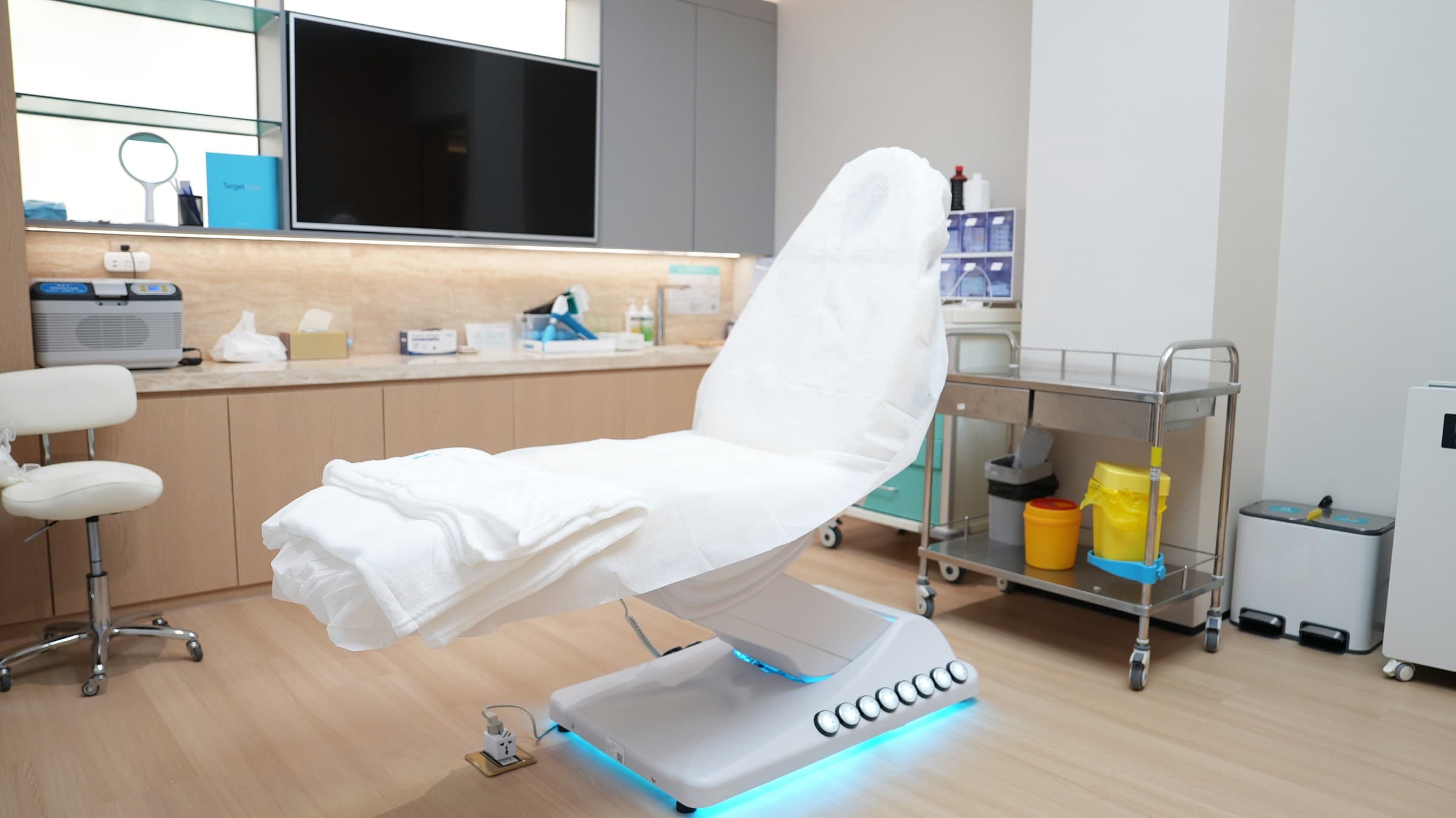
Why visualization matters
Visualization decides where the energy goes.
The important feature is not simply that the device can deliver energy deeply — it's that anatomy, tissue depth and the actual source of the concern guide where treatment belongs. A patient whose dominant issue is skin quality, pigment or inflammation should not be moved automatically into a lifting procedure just because a deep-reaching device is available.
Where it may fit
Ultherapy PRIME is one option within the Lifting & Firming treatment family, considered where visualization confirms a structural laxity target at a defined depth.
How Dr. Lancho thinks about it
This belongs to the structural/laxity side of the treatment framework rather than the pigment, vascular or surface-texture side. Visualization and defined treatment depths support planning treatment to the anatomy actually present, rather than to a standard depth applied to every patient.
When another approach may make more sense
Significant structural descent, true volume deficiency, surface pigmentation or vascular change may call for another approach. Non-surgical ultrasound should not be presented as equivalent to surgical lifting.
Before your consultation
The anatomy decides the depth, not the schedule.
Assessment determines whether skin laxity is genuinely the finding, and at what depth treatment, if any, belongs.