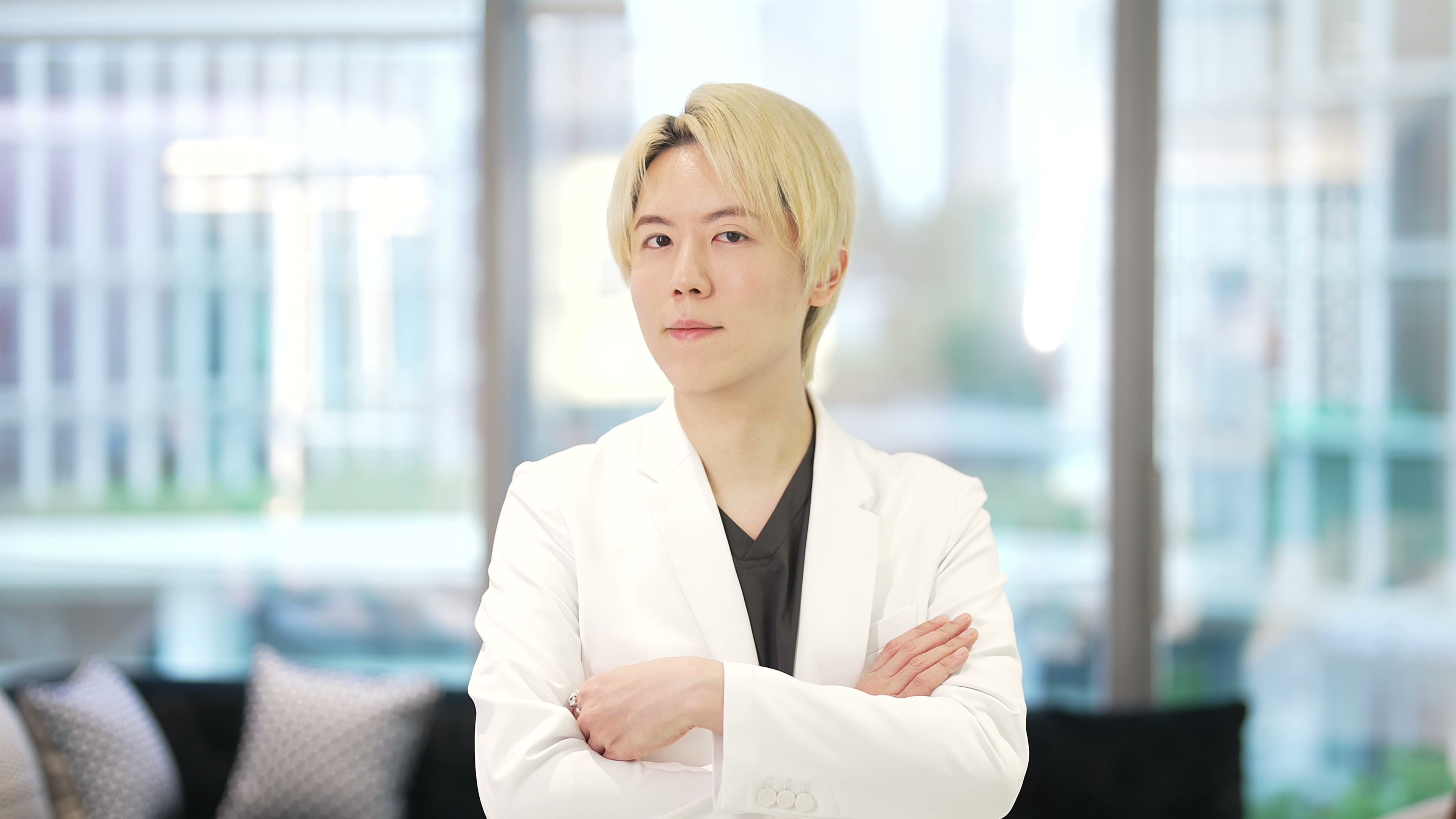
Dr. Lancho
A physician's perspective comes first.
Modern aesthetic medicine offers more treatments and technologies than ever before. The challenge is not simply having access to them. It is knowing when to use them, how to use them, and when another approach may make more sense.
Origin
It started with technology. It became about judgment.
Aesthetic medicine is not simply a question of what can be done. It is a question of what should be done for a particular patient. Dr. Lancho approaches a concern by separating it into its contributing components, considering which changes are clinically meaningful, and deciding where treatment is likely to add value. That may lead to one treatment, several treatments with different roles, or a decision to leave something alone.
Turning point
The question changed.
“Which device should I book?”
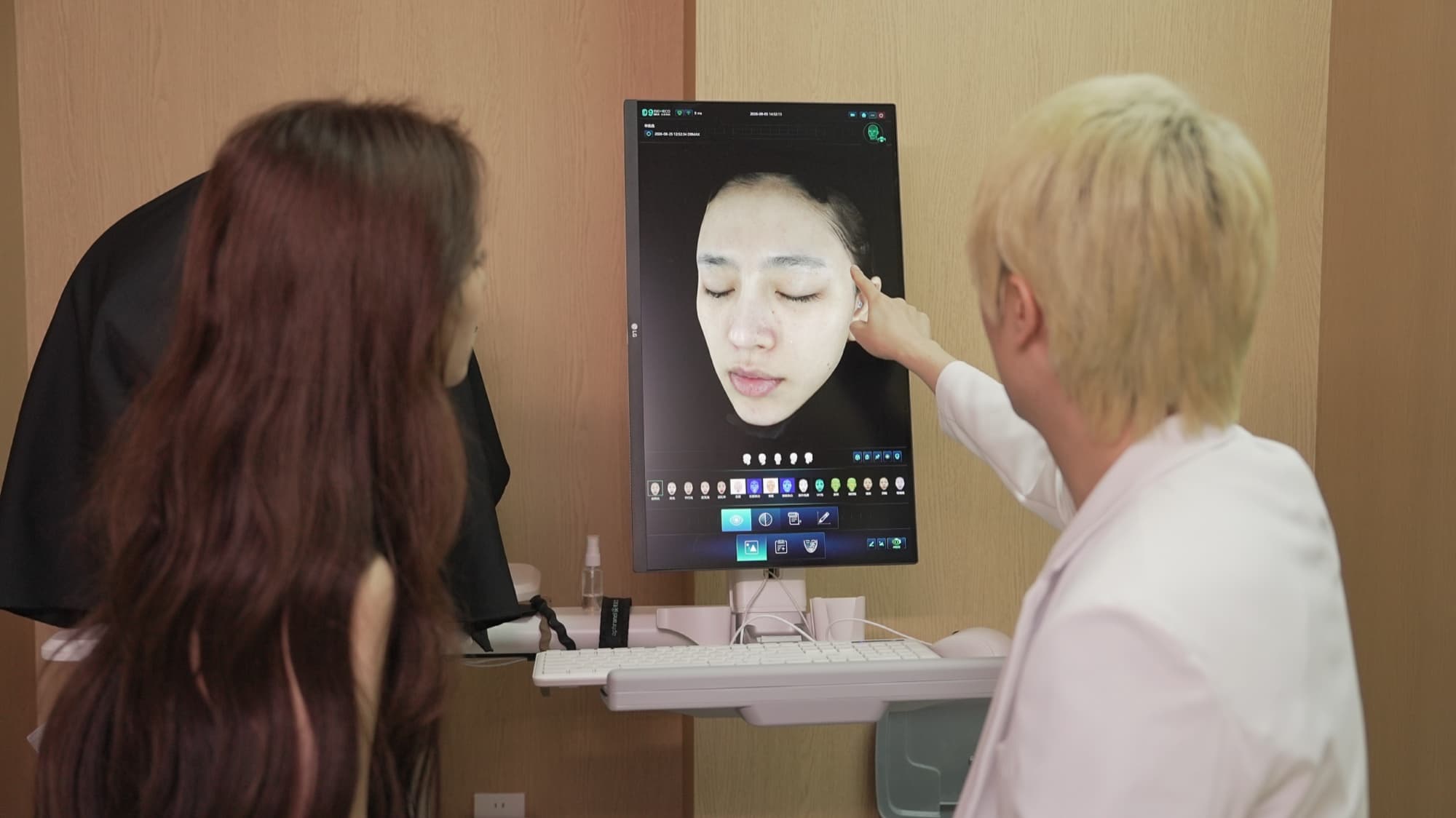
“What is actually contributing to my concern, what should be treated, and which approach makes clinical sense?”
Access to technology expands the available options; it does not replace clinical judgment. The device supports that decision rather than defining it. It is also why he rarely relies on a single device: skin problems are multifactorial, so the tool is chosen to fit what has actually been found — not the other way around.
Skin quality first
Before changing the face, understand the skin.
When Dr. Lancho meets a patient, one of the first things he evaluates is skin quality: pigmentation, inflammation and texture. These details are not secondary cosmetic concerns — they influence how healthy, rested and youthful the face appears, and they can change which treatments make sense.
Natural results
The best result doesn't announce the treatment.
For Dr. Lancho, a natural result is not simply a smaller treatment. It respects anatomy, proportion, expression and the relationship between skin quality and facial structure — and it can mean treating less, treating differently, staging treatment, or knowing when not to intervene at all. In his own words: “The people around you think you look better, but they cannot tell exactly what changed.”
Restraint
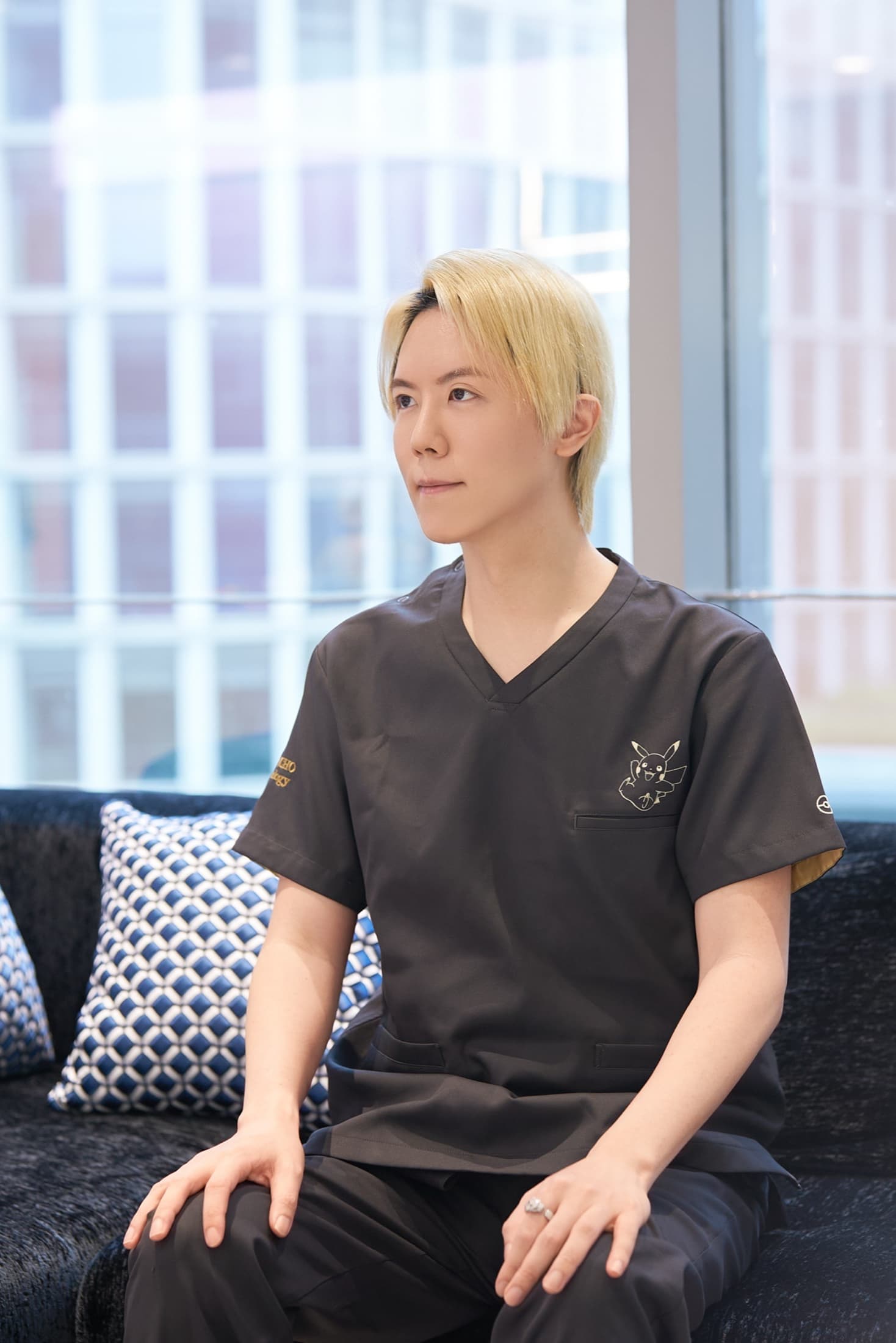
Filler Is Not the Definition of Rejuvenation.
Dr. Lancho's concern is not filler itself. It is the tendency to make filler the default response to aging — and to ask it to accomplish things that volume replacement cannot accomplish. When volume is genuinely part of the problem, filler may have a clear role. When the problem is pigment, inflammation, texture, laxity or declining tissue quality, adding more volume does not solve the underlying issue.

Five-year thinking
Treat for today. Plan for five years from now.
Dr. Lancho wants patients to look back years later and feel grateful that their younger self made a thoughtful decision. That means resisting unnecessary treatment, protecting natural proportion, improving skin quality where possible, and planning beyond the immediate before-and-after photograph.
This describes the quality of a decision, not a promised outcome — no specific result at any time point is implied.